



Berita Industri
Panduan Membeli Selamat Pistol & Pistol: Kelajuan vs Keselamatan
2026-08-05
Pistol Pistol Terbaik Mengimbangi Akses Pantas Dengan Keselamatan Sebenar
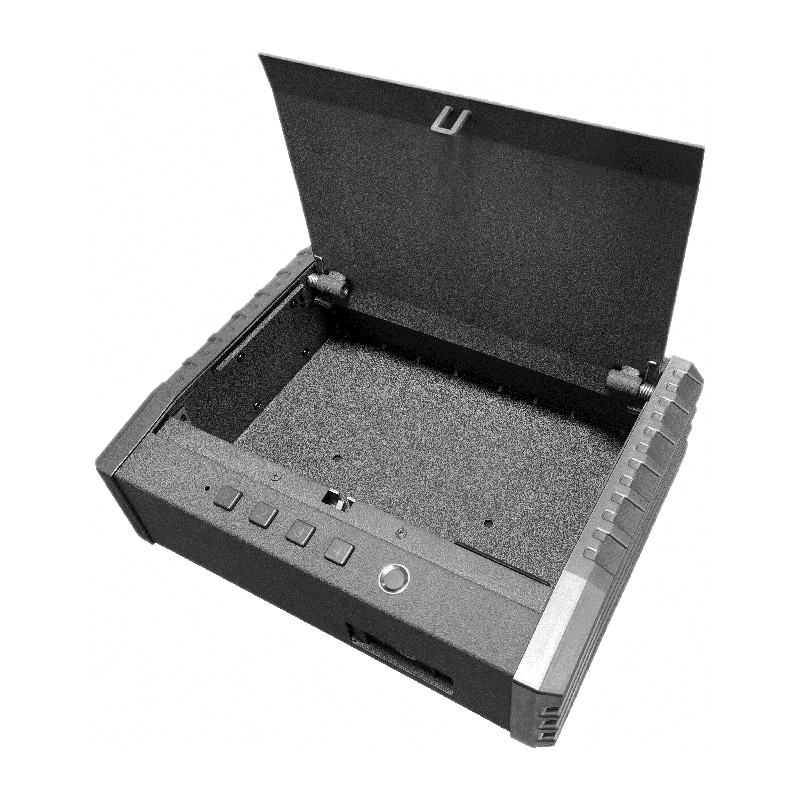
yang baik selamat pistol harus dibuka masuk bawah 2-3 saat dalam keadaan kecemasan sambil mengekalkan pengguna yang tidak dibenarkan — terutamanya kanak-kanak — keluar. Dalam praktiknya, ini bermakna kunci cap jari biometrik (biasanya 0.1 hingga 2.5 saat untuk membuka kunci) dipasangkan dengan pad kekunci sandaran atau kekunci, yang diletakkan dalam badan keluli pepejal, tahan cungkil. Peti besi pistol yang pantas tetapi rapuh mengatasi masalah mengunci pistol di tempat pertama, dan peti besi yang selamat tetapi lambat dibuka boleh menyebabkan anda mengalami detik kritikal dalam senario mempertahankan diri.
Kebanyakan peti besi pistol kompak tidak dinilai UL kecurian secara bebas kerana saiznya yang kecil, jadi dua perkara yang patut diperiksa sebelum anda membeli ialah kelajuan kunci dan tolok keluli/pensijilan — bukan hanya gambar pemasaran.
Biometrik lwn Pad Kekunci lwn Kekunci: Jenis Kunci Mana Yang Sebenarnya Terpantas
Jenis kunci ialah satu-satunya faktor terbesar dalam seberapa cepat anda boleh mencapai senjata api anda. Begini cara perbandingan pilihan biasa dalam kelajuan dan kebolehpercayaan dunia sebenar.
| Jenis Kunci | Kelajuan Terbuka Biasa | Kelemahan Utama |
|---|---|---|
| Biometrik (cap jari) | 0.1 - 2.5 saat | Boleh salah baca jari berpeluh, berparut atau kotor |
| RFID (fob kunci/kad) | Bawah 1 saat | Memerlukan fob berada di tangan |
| Papan kekunci elektronik | 4 saat | Lebih perlahan di bawah tekanan; kod boleh diperhatikan |
| Kunci/dail mekanikal | Beberapa saat | Tiada bateri yang gagal, tetapi kunci mesti boleh diakses |
Kunci biometrik menawarkan akses terpantas bagi sebarang jenis kunci, selalunya dibuka dalam kira-kira satu saat pada imbasan yang baik. Tetapi tiada penderia biometrik yang sempurna — kadar penolakan palsu biasanya berlaku 1-2% — jadi setiap peti besi pistol biometrik hendaklah memasukkan PIN sandaran atau entri kunci sebagai kaedah kedua yang tidak boleh dirunding.
Maksud Pensijilan Sebenarnya pada Peti Keselamatan Pistol
UL1037 dan UL Kelas 1
UL1037 meliputi peti besi rumah tahan pecah rumah dan menguji ketahanan kunci terhadap gangguan, penggerudian dan manipulasi paksa. Penarafan UL Kelas 1 pada peti besi padat umumnya mencerminkan keluli tolok lebih berat (biasanya 10 tolok atau lebih baik) dan kerja bolt bertetulang — peningkatan bermakna daripada kotak kepingan logam nipis yang dijual semata-mata sebagai penghalang.
Piawaian Peranti Keselamatan Senjata Api California DOJ
Jika anda tinggal di California, undang-undang negeri menghendaki mana-mana peranti storan senjata api yang dijual atau digunakan untuk tujuan pematuhan untuk memenuhi piawaian peranti keselamatan senjata api minimum DOJ, yang menguji ketahanan terhadap cungkil, penggerudian dan kesan. Banyak peti besi pistol yang dipasarkan secara nasional dibina untuk melebihi standard ini walaupun di luar California, kerana ia telah menjadi garis dasar biasa.
Penilaian Kebakaran UL 72
Peti besi pistol berkadar api diuji di bawah UL 72, dengan beberapa model diperakui untuk menahan suhu sehingga 1200°F selama lebih kurang 40 minit menggunakan pelapik papan api tahan panas. Ini lebih penting untuk peti besi yang disimpan di dalam almari atau dengan barang berharga lain daripada peti besi pistol di sisi katil sahaja, tetapi anda patut menyemak sama ada peti besi akan berfungsi sebagai dokumen am atau simpanan barang berharga.
Ciri Yang Lebih Penting Daripada Lembaran Spesifikasi yang Dicadangkan
- Bantuan pintu topang gas: Memegang penutup terbuka secara automatik untuk mendapatkan semula satu tangan, yang penting apabila tangan anda yang sebelah lagi tidak bebas.
- Pencahayaan LED dalaman: Aktifkan semasa buka kunci supaya anda boleh melihat dan menggenggam senjata api dengan betul dalam gelap, mengurangkan raba-raba.
- Pembukaan kunci senyap, sifar maklum balas: Tiada bunyi bip atau lampu berkelip yang boleh memberi amaran kepada penceroboh ke lokasi peti keselamatan atau ia sedang dibuka.
- Titik pemasangan/kabel keselamatan: Menambat peti besi pada rangka katil atau rak menghalangnya daripada dibawa pergi begitu saja.
- Pintu keluli tahan cungkil dan engsel tersembunyi: Pengerasan fizikal asas terhadap serangan pemutar skru atau crowbar, yang merupakan kaedah pecah masuk dunia sebenar yang paling biasa untuk peti besi kecil.
Memilih Pistol Selamat untuk Situasi Anda
- Untuk a persediaan meja atau tepi katil , utamakan akses biometrik atau RFID, pintu topang gas dan kabel pelekap untuk mengikatnya pada perabot.
- Untuk a kenderaan atau perjalanan selamat , pilih model yang padat, mematuhi TSA dengan kunci sandaran mekanikal, kerana bateri boleh mati dan penderia biometrik boleh bergelut dengan suhu yang melampau.
- Untuk a rumahtangga dengan anak , peti keselamatan yang mematuhi DOJ atau tersenarai UL1037 California dengan kaedah kemasukan sandaran yang boleh dipercayai mengurangkan risiko kedua-dua akses tanpa kebenaran dan sekatan keluar.
- Jika peti besi juga akan disimpan dokumen atau barang berharga , tambahkan penarafan kebakaran UL 72 pada senarai semak, bukan hanya rintangan pecah rumah.
Tabiat Penyelenggaraan yang Memastikan Pistol Selamat Dipercayai
Peti besi pistol hanya berguna jika ia dibuka apabila anda memerlukannya. Uji kaedah kunci utama setiap bulan, daftarkan semula cap jari jika sensor mula salah baca (kelembapan, luka dan kulit kering semuanya menjejaskan ketepatan imbasan), dan gantikan bateri pada jadual tetap daripada menunggu amaran bateri rendah — sesetengah model pad kekunci mengeluarkan bateri 9V dalam masa empat bulan walaupun dengan penggunaan yang minimum. Pastikan kunci sandaran atau PIN boleh diakses oleh sekurang-kurangnya seorang dewasa lain yang dipercayai dalam rumah sekiranya kaedah akses utama gagal semasa kecemasan.
-

Arnostanley Electric komited untuk menyediakan pelanggan dengan perkhidmatan OEM dan ODM keselamatan rumah, serta penyelesaian profesional yang komprehensif.
-
Senarai Produk
Pistol Selamat Kotak Kunci Kabinet Senapang Selamat Rumah Aksesori Selamat Penyesuaian Produk -
Maklumat Hubungan.
+86-(0)574-6248 327+86-180 6720 2630Lucas_zhu@arnostanley.comNo.16 Beixing East Road, Bandar Yuyao, Wilayah Zhejiang, China -
Ikuti Kami
Hak Cipta © 2025 Ningbo Arnostanley Electric Co., Ltd. ALL Rights Reserved.
Pembekal Penyelesaian Storan Selamat Tersuai
